


About the Office:
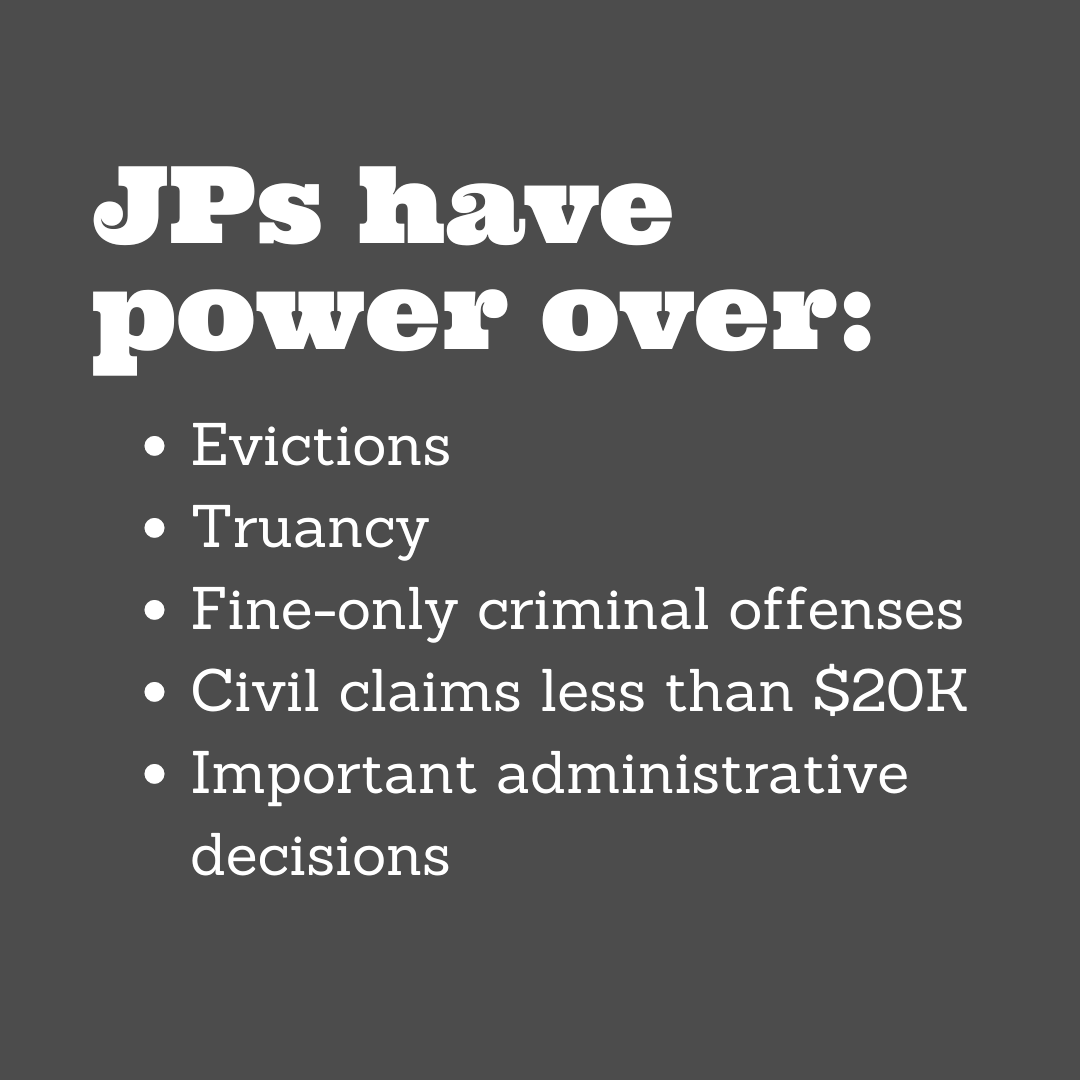
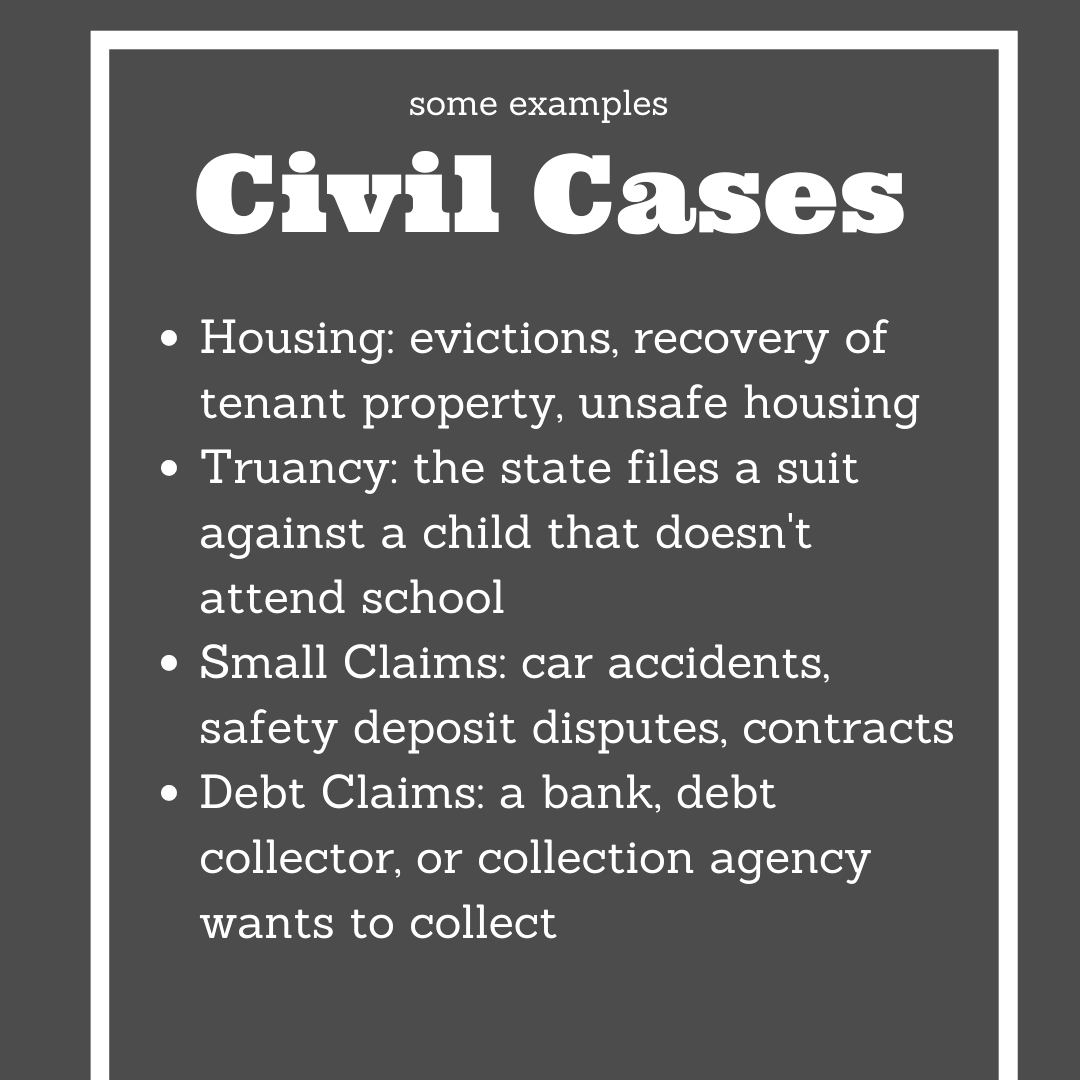
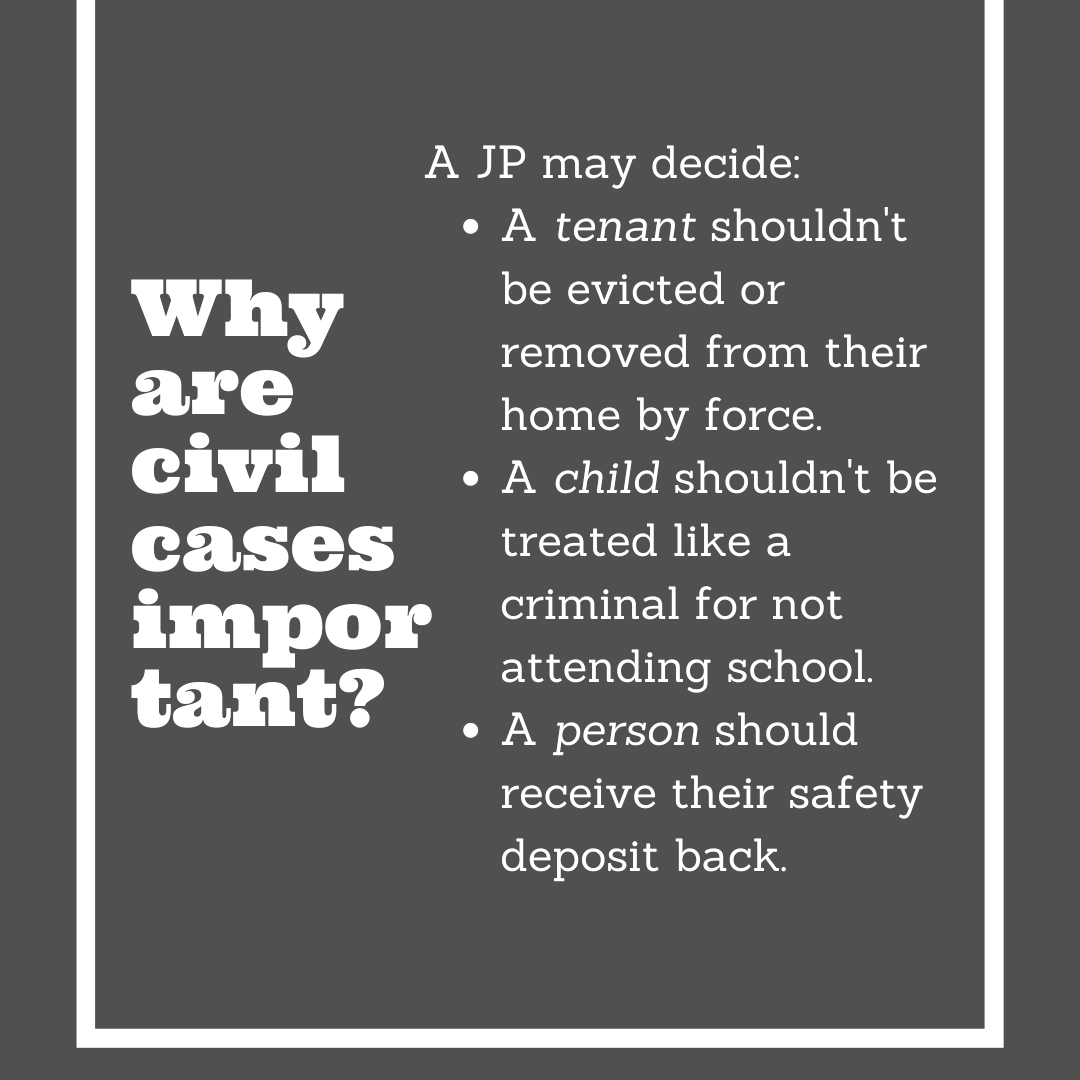
The Justice of the Peace is the people’s court, often the first and only interaction many community members have with the legal system. In Precinct 1, this role touches everyday life in powerful ways: officiating weddings, resolving small claims, mediating landlord-tenant disputes, and deciding eviction cases.
In a rapidly growing and increasingly unequal Austin, the Justice of the Peace holds real power to impact housing stability, financial justice, and community dignity.
Rising costs are pushing long-established families out of their homes, schools, and neighborhoods. This displacement, driven by corporate landlords, unchecked development, and weak tenant protections, hits hardest in Black, Latine, and working-class communities.
Images courtesy of Austin DSA
My vision of the way in which a Justice of the Peace functions in harmony with their community is simple:
Children belong in safe and supportive learning environments, and nothing should disrupt that.
Homes are sites of intergenerational joy, and I will strive to keep families in their homes.
The Courtroom should be a place of compassion and care that recognizes the historic harms of our justice system.
“I’ve outlined a progressive series of policy proposals with concrete actionable steps to keep kids in school, families in homes, and offer compassion instead of punishment. ”
Campaign Tenet 1: Kids in School
The Hairston Plan: From Truancy to Transformation
As a civil rights attorney, Andrew Hairston knows that the courtroom should be a place of care, not a pipeline to punishment. In Precinct 1, we must move away from a "fine-and-forget" model that penalizes poverty and move toward a system that treats school attendance as a community success story. The Hairston Plan is built on early intervention, mentorship, and dignity for every student and parent.
1. The "First Five" Early Warning System
We shouldn't wait for a student to hit 10 unexcused absences, the legal threshold for court intervention, to offer assistance. Instead, Judge Hairston will implement a proactive "First Five" System to catch the slide before it becomes a crisis:
Early Collaboration: By working with local school districts to be notified at the fifth unexcused absence, our court can offer support before a formal case is ever filed.
Robe-to-Student" Conferences: Judge Hairston will hold hybrid docket calls to speak directly with students and their families. This allows the court to bring families together in a conversation focused on solutions, not citations.
Funding for the program will come from a mixture of dedicated special funds from the court and grants such as those from the Texas Juvenile Justice Department (TJJD), which provides discretionary state aid for prevention and intervention programs. Judge Hairston will be aggressive in securing funding from all available sources for the "First Five" early warning system and other restorative programs.
2. Investing in Juvenile Case Managers
A judge only sees a child for a few minutes in a courtroom, but a Juvenile Case Manager (JCM) sees their whole story. Judge Hairston will advocate for a team of dedicated Juvenile Case Managers to serve Precinct 1.
Active, Holistic Monitoring: Unlike a standard court clerk, a JCM visits the home, checks weekly progress, and intervenes the moment a new absence occurs.
A Bridge, Not a Barrier: Our JCM team will act as a navigator for families, connecting them to mental health support, stable transportation, or food assistance — addressing the root causes of the vast majority of truancy cases before they lead to a formal petition.
Funding for the program will come through the Juvenile Case Manager Fund, a dedicated fund created by the Commissioners Court whereby $5.00 is collected on every fine-only misdemeanor conviction. Judge Hairston will work with the Commissioners Court to show that by increasing the efficiency of the truancy docket through a team of JCMs, the court generates the very fees required to pay for the JCM's salary, making the positions essentially self-funding over time.
3. Remedial Orders: A Roadmap to a Clean Slate
Leveraging the Texas Family Code, Judge Hairston will use Remedial Orders as success contracts rather than legal traps. A Remedial Order is a legally binding directive issued by a judge, but unlike a criminal sentence, it is designed to be rehabilitative.
Mandated Support: Instead of bankrupting families with fines, Judge Hairston will order participation in tutoring, mentoring, or job-skills programs. If a student is skipping because they feel they are failing, we will provide the academic help they need to find their confidence. The court will provide solutions to problems, not compound them.
The Promise of a Fresh Start: We will explore options to seal court records as early as 16, as opposed to the standard of 18. In Precinct 1, childhood mistakes and struggles should not impact a young person's ability to attend college or get a job. (See “Specifics: Clean Slates for Students”)
4. Supporting Parents, Not Penalizing Poverty
In Texas, parents can face criminal charges for their child's absences. Most courts simply issue a fine, but a $500 fine doesn't help a child get to school — it only pushes a struggling family closer to the edge.
Resources Over Revenue: Judge Hairston’s court is committed to parent education and providing resources over revenue collection.
A New Priority: We will focus on parenting seminars, at-risk youth support, and community-based solutions. We will hold parents accountable by giving them the tools and community resources to be successful, not by bankrupting their households.
The Hairston Commitment:
"For years, as a civil rights attorney and the Education Justice Project Director at Texas Appleseed, I have fought to dismantle the school-to-prison pipeline. As your Justice of the Peace for Precinct 1, my court will not be a collection agency for school absences; it will be a center for restoration. We will treat our students like the future of our community, not like a docket number, and replace the school-to-prison pipeline with community and civil practices rooted in care and restorative solutions."
Campaign Tenet 2: Families in Homes
Hairston Plan for Housing Justice
In Austin, large-scale apartment complexes are almost exclusively (95%) owned by institutional investors. Furthermore, a 2025 investigation into rent-pricing software found that roughly 46% of all apartment units in Austin were managed or owned by just a handful of companies.
In recent years, institutional buyers have accounted for 28% to 30% of all single-family home purchases in Texas: the highest rate in the United States. The truth is, the vast majority of rental units in Austin are no longer owned by local landlords invested in the success of the community. Instead, large private equity funds and ultra-high-net-worth institutional investors who have no interest in our communities own our housing supply.
While the court treats all parties equally under the law, Andrew Hairston recognizes the inherent power imbalance between corporate landlords, with teams of lawyers and sophisticated software, and working-class families struggling to pay rent. Justices can hold landlords accountable, ensuring they follow every comma and period of the Texas Property Code before a family’s home is threatened.
1. Promoting the "Three-Way Win"
Andrew Hairston views housing stability as a benefit for the entire community, not a zero-sum game.
For the Tenant: They keep their home, stay employed, and avoid a "black mark" on their credit that can prevent them from ever renting again.
For the Landlord: They receive their past-due rent through assistance programs and/or payment plans, avoiding the high costs of legal fees and unit turnover.
For the Community: We reduce the burden on local social services and keep children stable in their Precinct 1 schools.
2. Equalizing the "Pro Se" Experience
Most tenants arrive in court without a lawyer (representing themselves pro se). They often don't know the "magic words" or procedural technicalities needed to defend their rights. Judge Hairston will use the power of the court and community to level the playing field for pro se tenants.
The Duty to Develop the Case: Under Texas Rule of Civil Procedure 500.6, the JP has a duty to "develop the case." Judge Hairston will not be a passive observer and will instead ask the right questions, like "Did you request repairs that were ignored?" or "Did the landlord refuse a partial payment?" to ensure a family’s side of the story is actually heard, not just steamrolled by a corporate attorney.
Self-Service Kiosks: Judge Hairston will install kiosks in the court with an Eviction Procedural Checklist and contact info for local non-profits, empowering tenants with the information they need the moment they walk in. Modernizing the court with kiosks for "Pro Se" assistance and resource navigation will be funded by a mixture of the Justice Court Assistance and Technology Fund and strategic partnerships like the Texas Access to Justice Foundation (TAJF) and the Texas Legal Services Center (TLSC) that frequently provide grants for hardware like legal kiosks.
3. The Power of "In-Court Mediation."
Eviction is often a lose-lose: the tenant loses their home, and the landlord loses thousands in legal fees and turnover costs. In Texas, a Justice of the Peace can provide mediation through a combination of statutory authority, local county resources, and dedicated filing fees. Judge Hairston will leverage these mechanisms to ensure Precinct 1 families have access to neutral third parties who can help them reach payment plans or "graceful exit" agreements.
Mediated Settlements: Judge Hairston will suggest and provide a mediator to help the parties reach a payment plan or a "graceful exit" agreement. If they reach an agreement, the JP can incorporate those terms into a dismissal order, keeping the eviction off the tenant’s permanent record. Mediation typically comes as a referral to a Dispute Resolution Center (DRC) at some future date, but Judge Hairston will prioritize "mobile mediators,” whereby a DRC mediator is physically present in the courtroom on eviction days to pull parties into the hallway for immediate negotiation before the case even hits the bench.
Stipulated Judgments: The JP can facilitate an agreement where the eviction is dismissed if the tenant pays the back rent by a certain date.
Mediation Funding: Most tenants don't know that mediation is often already "pre-paid" through court costs. Through the Alternative Dispute Resolution Fund established by Texas Civil Practice and Remedies Code § 152.004 and Local Government Code § 135.103, the Commissioners Court authorizes a fee on every civil case filed in Justice Court that is placed into a dedicated fund to establish and maintain an alternative dispute resolution system. Judge Hairston will ensure Precinct 1 receives its fair share of these funds to support mediation.
4. Implementing Eviction Diversion & The "Power to Pause."
While the statewide COVID-era Texas Eviction Diversion Program (TEDP) has largely concluded, a JP has the authority to implement a local version using the same logic.
The Power to Pause: Under Rule 510.7, Andrew will utilize the "Power to Pause," granting continuances when both parties agree. This buys critical time for families to secure local charity funding or emergency rent.
Resource Packets: Every Precinct 1 summons will include a Resource Packet listing local non-profits and government agencies that provide emergency rent money and do everything possible to connect families to help before they hit the bench.
5. Utilizing Juvenile Case Managers (JCMs)
Andrew will leverage Juvenile Case Managers to provide cross-departmental help. If a child is missing school because their family is facing eviction, our court will treat it as one crisis and utilize the unique power of the JP court for both housing and truancy, leveraging court resources to stabilize the family’s housing as the most effective way to solve the student's truancy.
6. Strict Scrutiny: A Gatekeeper for the Law
Judge Hairston will act as an active gatekeeper of justice, holding corporate landlords to the highest procedural standards:
The 3-Day Notice Rule: If a landlord fails to provide the legally required notice, or delivers it incorrectly, Judge Hairston will dismiss the case. No shortcuts.
CARES Act Compliance: Many corporate properties are backed by federal loans (Fannie Mae/Freddie Mac) and require a 30-day notice for non-payment. Judge Hairston will require corporate landlords to file a CARES Act Affidavit certifying they have met these federal requirements.
Stripping "Junk Fees": Corporate landlords often bundle "convenience fees" and "admin charges" into eviction suits. Judge Hairston will "cut the fat," limiting judgments to only the base rent and legally allowed costs, making it easier for families to pay and stay.
The Personal Knowledge Hurdle: Judge Hairston will require corporate witnesses to prove they have actual knowledge of the facts. If an attorney working on behalf of a complex web of management and ownership entities (none of whom have likely met the tenant) cannot prove personal knowledge of the landlord’s claims, they haven't met their burden of proof and the case will be dismissed.
The Hairston Commitment:
"As your JP, I will use every tool in the Texas Rules of Civil Procedure to ensure that 'The People's Court' actually works for the people, providing a fair, balanced, and compassionate process for every resident."
Campaign Tenant 3: Compassion not Punishment
Hairston Plan for Restorative Justice
In the courtroom of Judge Hairston, justice will not be measured by the size of a person's bank account. For too long, the Justice of the Peace court has functioned as a "debtor’s prison" pipeline, trapping working-class families in cycles of fines and warrants. The Hairston Plan transforms the court into a community resource hub, prioritizing rehabilitation and stability over punishment and profit.
"We will treat every neighbor with the dignity they deserve, focusing on getting them back on their feet, whether that is through a payment plan they can actually afford, a referral to a counselor, or a 'Safe Harbor' to clear a warrant without handcuffs."
1. The "Community Restorative Partnership" Program
A Justice of the Peace may accept community service in lieu of financial fines. Under the Texas Code of Criminal Procedure, the court may mandate community service for any defendant who lacks the immediate resources or income to pay their fines, converting a financial debt into a contribution to the community. For those who can afford to pay but seek a path to a clean record, Judge Hairston will utilize Deferred Disposition, allowing the court to offer community service as a condition of dismissal. In Judge Hairston’s court, community service won't just be about picking up trash on the side of the road, it will be about restoring purpose and moving forward with dignity.
Beyond the Passive List: Most courts simply assign a defendant a number of hours and maybe a list of dozens of local nonprofit organizations without any thought or vetting. Judge Hairston will not have a passive list; instead, he will build Active Partnerships with organizations that can provide benefits to the people of Precinct 1 and would also benefit themselves from a regular flow of volunteers. Judge Hairston will curate and mandate a network of community service organizations as a core pillar of the restorative justice platform.
Mandated Success: Using the authority granted under Article 45.049 of the Texas Code of Criminal Procedure, Judge Hairston will hand-pick organizations that provide specific social welfare benefits. For example:
If you are in court for truancy, you will serve your time supporting a library or tutoring center.
If you are struggling with employment, you will earn credit by attending job-training workshops or GED classes.
Meaningful Service: When you finish your hours, you won’t just have a receipt — you will have a path forward.
2. "Ability to Pay" as the Default, Not the Exception
Too often, courts issue "Capias Pro Fine" warrants (arrest warrants for unpaid fines) without ever checking if the family can afford to pay. Andrew Hairston believes that no one should go to jail or lose their license because they are too poor to pay a traffic ticket.
Mandatory Hearings: Judge Andrew pledges to conduct ability to pay hearings before any fine is finalized.
The Power of the Waiver: Under Texas Art. 45.041, a JP has the legal power to waive fines and costs entirely if a defendant is indigent and community service would cause "undue hardship." Andrew will use this power where appropriate to prevent families from being pushed into financial ruin.
3. Mental Health & Substance Abuse "Off-Ramps"
Many low-level crimes—like public intoxication or disorderly conduct—are symptoms of an underlying mental health crisis and Judge Hairston will treat them as such.
Direct Referral System: Instead of just assessing a fine and moving on, Judge Hairston will implement a system to refer individuals to local mental health authorities (LMHA) or peer-support groups.
Life-Saving Intervention: Judge Hairston will use his authority to issue Emergency Mental Health Commitments as a tool for life-saving care, rather than a procedural box to check. We will treat health crises with medicine and counseling, not a jail cell.
4. "Safe Harbor" Days vs. Arrest Warrants
The "Failure to Appear" system is a primary driver of the cycle of debt and arrest. Judge Hairston will treat the public like neighbors, not "defendants."
The Safe Harbor Policy: Judge Hairston will implement a monthly "Safe Harbor Day." On these days, anyone with an outstanding warrant can come to court to speak with the judge and resolve their case without fear of being placed in handcuffs.
Modern Outreach: Our court will use text-message reminders and "Courtesy Calls" to remind residents of upcoming dates, ensuring that a simple memory lapse doesn't result in a life-altering arrest.
The Hairston Commitment:
"By leveraging the law to help our neighbors instead of just punishing them, we create a safer, more stable, and more prosperous Precinct 1 for everyone."
Specifics: Protecting Workers' Wages
The Precinct 1 Payday Protection Program (P1-PAY) is a proposed partnership between the Precinct 1 Justice of the Peace and the Travis County District Attorney’s office that eliminates the bureaucratic shuffle where unpaid workers are bounced between agencies. Instead, it provides a dual-track enforcement system: Civil recovery through the JP and Criminal investigation through the DA.
The Three Pillars of P1-PAY
1. The "Digital Intake" Kiosk
Precinct 1 will establish a dedicated Worker Rights Kiosk at the courthouse.
The Action: Court staff will assist workers in using the digital "Request to Investigate" portal that automatically sends reports to Judge Hairston and the District Attorney.
The Tech: Workers can upload screenshots of text messages, photos of work sites, and GPS logs directly to the court’s record and the DA's digital intake.
The Impact: This creates an immediate digital paper trail that can be used for both a small claims judgment up to $20,000 and a criminal "Theft of Service" charge.
2. The "Express Demand" System
Under Texas law, a formal Demand Letter sent via certified mail is a prerequisite for many wage theft prosecutions.
The Action: The JP Court will provide a pre-filled, official Judicial Demand Letter. When a worker files a claim, the court helps them send this letter immediately from the courthouse.
The Impact: An employer receiving a letter with the JP’s official seal and a notice that a copy has been digitally sent to the DA’s Economic Justice Initiative is significantly more likely to pay immediately to avoid a court date or an arrest warrant.
Employers will likewise have expedited access to respond to the claim with their own evidence; indeed, they will be required to respond quickly or face a default judgement.
3. The "Fair Pay Friday" Rocket Docket
To prevent workers from losing more money by sitting in court all day, the JP will implement an expedited schedule.
The Action: A dedicated monthly docket specifically for wage claims under $5,000.
The Action: If the JP finds "intentional fraud" during a civil hearing (e.g., the employer wrote a check they knew would bounce), the JP will issue a Direct Referral to the DA’s Public Integrity & Complex Crimes unit before the employer even leaves the courtroom.
"In Precinct 1, a full day's work will always receive a full day's pay. For too long, bureaucracy and legal costs have allowed dishonest employers to treat wages like a suggestions rather than legal obligations. With P1-PAY, we will bring the full weight of civil and criminal justice to ensure that if you do the work, you get paid — period." Andrew Hairston
Specifics: Bully-Proof Precinct 1 Schools
Forceful Protection. Judicial Accountability. Zero Tolerance.
“David’s Law” was passed in 2017 named after David Molak, a 16-year-old student from San Antonio who tragically took his own life after being targeted by relentless cyberbullying. This law moved cyberbullying beyond just a "school issue" and gave Justice of the Peace direct power to intervene. Through the Bully-Proof Precinct 1 program, Judge Hairston will position the JP Court as a shield for students. It focuses on the Bully-Proof Toolkit, which provides parents with the legal forms to file immediate restraining orders. The program also focuses on Rapid Response Injunctions, where the court prioritizes immediate review of cyberbullying complaints to get court ordered "Cease and Desist" notices into the hands of aggressors. It will be a high-visibility campaign that uses the JP’s bully pulpit to establish a zero-tolerance policy and signal that Precinct 1 is a no-fly zone for digital harassment.
"Bully-Proof P1" Protocol
I. The Judicial Shield (Legal Enforcement)
The "Bully-Proof P1" program is built on the principle that cyberbullying is a civil violation with immediate legal consequences.
The 24-Hour Protective Express: Judge Hairston will prioritize cyberbullying petitions, aiming for a Temporary Restraining Order (TRO) hearing within 24 business hours of filing.
Parental Liability Orders: Using the full extent of Chapter 129A, the Judge will not just order the bully to stop; they will issue orders compelling the parents to monitor or surrender devices. Failure to comply will result in Contempt of Court, punishable by fines or jail time.
Preservation Mandates: The program includes an immediate "Digital Freeze" order, legally requiring all parties to preserve social media logs, texts, and deleted content as evidence for further litigation or criminal referral.
II. The Bully-Proof Toolkit (Empowerment)
Most parents feel helpless because they don't know how to "sue" a bully. This protocol removes the barrier of expensive lawyers and complex legal maneuvers.
The "Pro Se" Packet: A simplified, step-by-step legal kit available at the Precinct 1 courthouse self-service kiosks and online. It includes the Sworn Application and Petition to Stop Cyberbullying in plain English and Spanish.
Evidence Collection Guide: A tactical guide for parents on how to capture "admissible" digital evidence (timestamps, metadata, and IP tracking) that won't be thrown out of court.
Constable Coordination: A direct pipeline to the Precinct 1 constable’s office to ensure that when a "Cease and Desist" or TRO is issued, it is served to the bully’s front door immediately by law enforcement, sending a message that the behavior is now under judicial scrutiny.
III. The "No-Fly Zone" (Community Outreach)
This is the proactive "force" used to deter bullying before it reaches the court.
Judicial "Shadow" Warnings: The JP will issue formal "Judicial Warning Letters" to students identified by school districts (AISD/Manor ISD) as repeated aggressors before a lawsuit is filed. This letter, on official court stationery, informs the family that the court is aware of the behavior and outlines the potential criminal and civil penalties.
Campus "Command" Presence: The JP will hold "Bully-Proof P1" assemblies at schools explicitly detailing how the court will unmask anonymous accounts and hold students accountable.
"In Precinct 1, students have an absolute right to learn without fear. With Bully-Proof P1, we are transforming the JP Court into a shield for children by providing immediate legal relief and holding both aggressors and their parents accountable. On my watch, the court will vigorously protect students and bring down the hammer on anyone enabling cyberbullying.” Andrew Hairston
Specifics: Clean Slates for Students
A Clean Slate for Every Student
There exists a dangerous window of criminal exposure for teenage Texans where they are considered adults by the criminal justice system but minors in all other aspects… old enough to be tried as adults, yet not yet old enough to have their minor records sealed. This creates an unconscionable paradox where a 17-year-old high school junior can be considered an adult with priors. With the Clean Slate program, Judge Hairston will mandate an automatic accelerated expunction of juvenile records before age 17 and waive all associated fees for low-income families.
The 17-Year-Old Adult: The day a student turns 17, Texas law automatically transfers them to the adult criminal justice system to be jailed with adults and tried in adult courts.
The Delayed Seal: Despite being tried as adults, their juvenile records are not automatically sealed until they reach 18 or even 19.
The Paradox: This creates a period where a 17-year-old is legally an "adult with priors." When they stand before an adult judge or apply for a job at 17 or 18, their childhood mistakes are still visible and can be branded as "repeat offenders" before they have even graduated high school.
The Hairston Solution: The "Pre-17" Clean Slate
Judge Hairston believes that automatic sealing at 18 or 19 is a day late and a dollar short. To protect the future of our students, Judge Hairston will use his judicial authority to close this gap by ensuring a child’s history is digitally and physically destroyed before they enter the adult system at 17 years old.
Key Pillars of the Proposal
1. Proactive "Pre-17" Expunction
Under Texas Code of Criminal Procedure Art. 45.0216, a judge has the power to expunge minor records and Judge Hairston will not wait for the state’s delayed automatic sealing. He will mandate an automatic accelerated expunction that proactively initiates record destruction finalized at latest the day before a student’s 17th birthday.
This ensures that when they cross into legal adulthood, their juvenile past is not just "sealed" but invisible to adult courts.
2. Success Plans as a Legal Shield
For students appearing in court at age 16, Judge Hairston will prioritize Deferred Disposition. By replacing a conviction with a Success Plan (tutoring, community service, or counseling), the case is dismissed upon completion.
A dismissed case is eligible for immediate destruction. Judge Hairston will ensure this destruction happens before age 17, shielding the student from being labeled a "prior offender" in the adult system.
3. Ending the "Poverty Penalty"
Clearing a record in Texas often requires a $30 fee and complex legal filings. For many, this cost means their childhood mistakes stay visible for years. Judge Hairston’s court will:
Waive all fees for low-income families.
Automate the paperwork so the court clears the record on its own motion, ensuring that a clean future isn't a privilege only for those who can afford it.
"Texas law calls them adults at 17, but keeps their childhood mistakes visible until 19. This is a trap that brands children as adult repeat offenders before they can even vote. My court will close that gap, ensuring every student gets a true clean slate." — Andrew Hairston